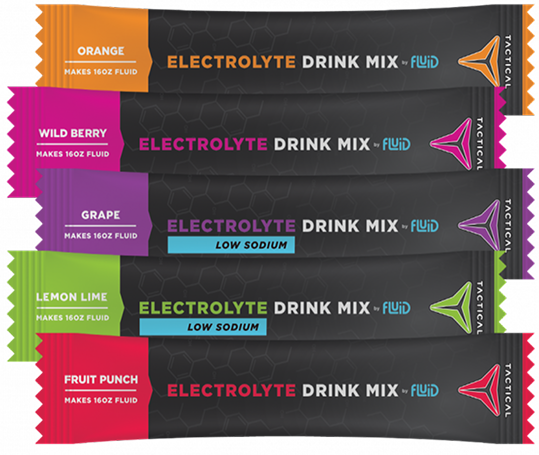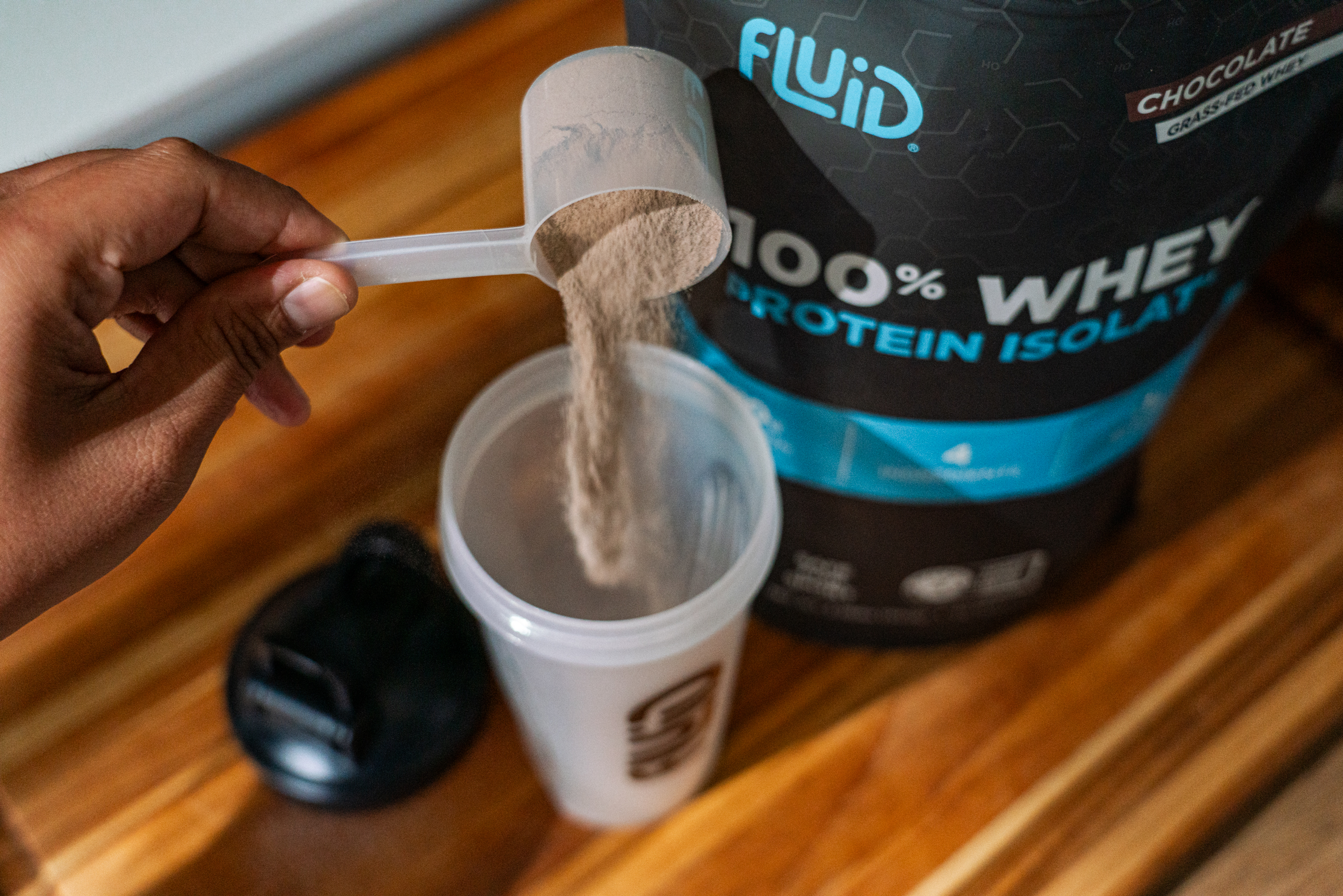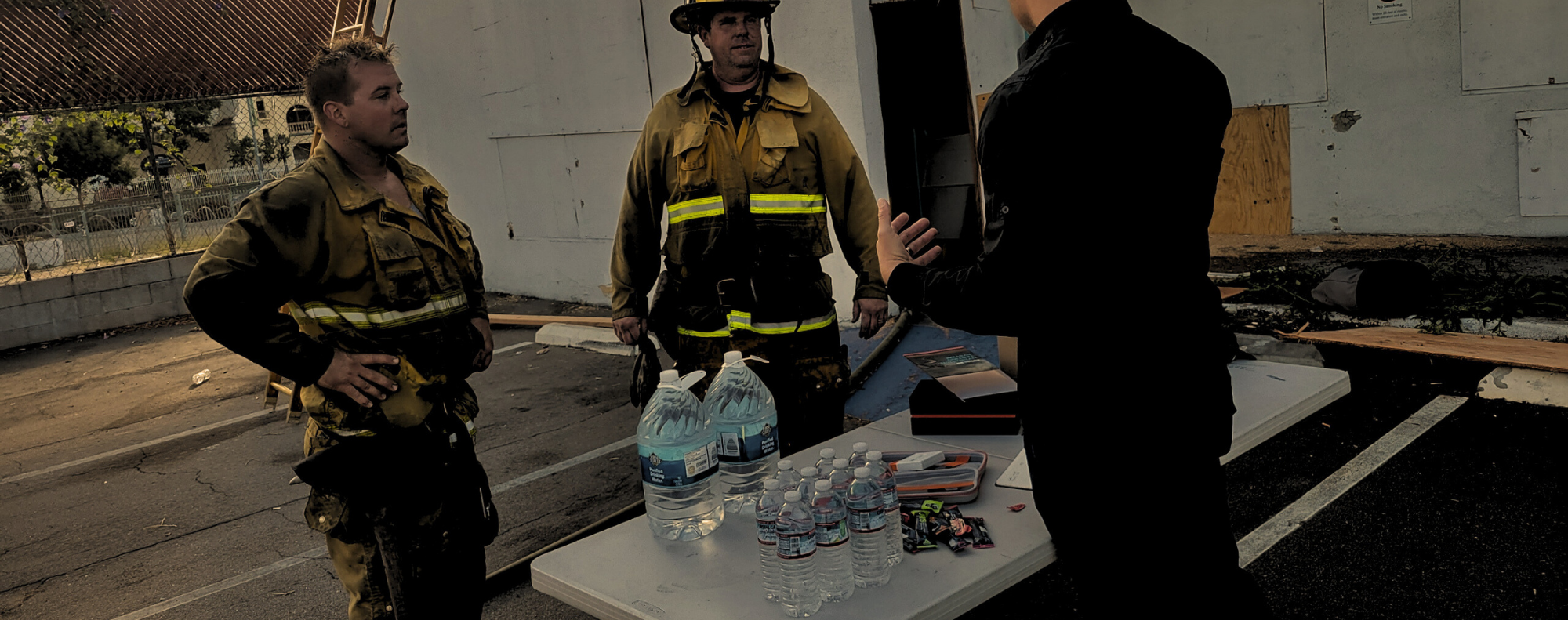
This was the sign front & center at FDIC. The most important piece of equipment on the job is YOU! When you become dehydrated, you become a liability to your team, not an asset. This is PREVENTABLE with proper hydration protocols and appropriate hydration products from Fluid Tactical, not the sugary sports drink from the convenience store or water alone.
“The human body is like an engine with a leaky radiator. And as it loses coolant, its ability to dissipate heat is reduced.” -Richard Smith, Fluid Founder/CEO.
I’d be willing to wager that if you walked out to the parking lot and saw a puddle of coolant under your truck, you’d be a little concerned. But as firefighters, we do it every day. We sweat, A LOT, and if we don’t pay attention to it, there will be a price to pay.
According to Megan Lautz, TheRescueRD, firefighters lose 8-16oz per hour in moderate exercise, but can lose up to 40oz per 30 minutes in fire suppression activity! Why is this? You have a combination – high exertion, coupled with external heat, plus PPE that increases sweat rate, not to mention that most firefighters arrive dehydrated! It doesn’t take a genius to see the problem waiting to happen.
In 2008, the Journal of Occupational Medicine & Toxicology put out the results of their study “Sweat rate and sodium loss during work in the heat”. What they found was very interesting – people lose a lot more sodium under heat stress than they think, sometimes up to 6 grams of pure sodium per day (that’s 15g of sodium chloride). They openly acknowledge the fact that most soft drinks & commercial sport drinks have too many calories and sugar & too little salt to be effective hydration tools, and their final recommendation is: “Cordials and sports drinks are contra-indicated for people working in hot environments due to the very high energy content. An ideal fluid replacement beverage for industrial use should have significant sodium content with minimum carbohydrate.” The full article is available for you here: https://www.ncbi.nlm.nih.gov/pmc/articles/PMC2267797/
A readily available supply of clean, cool water will encourage consumption before, during, and after heat stress incidents. If all sports drinks are removed, the temptation to consume them in place of water is removed. Bottled water also does not expire, saving you money. Be sure to keep it out of the sun to avoid plastics leaching into the water.
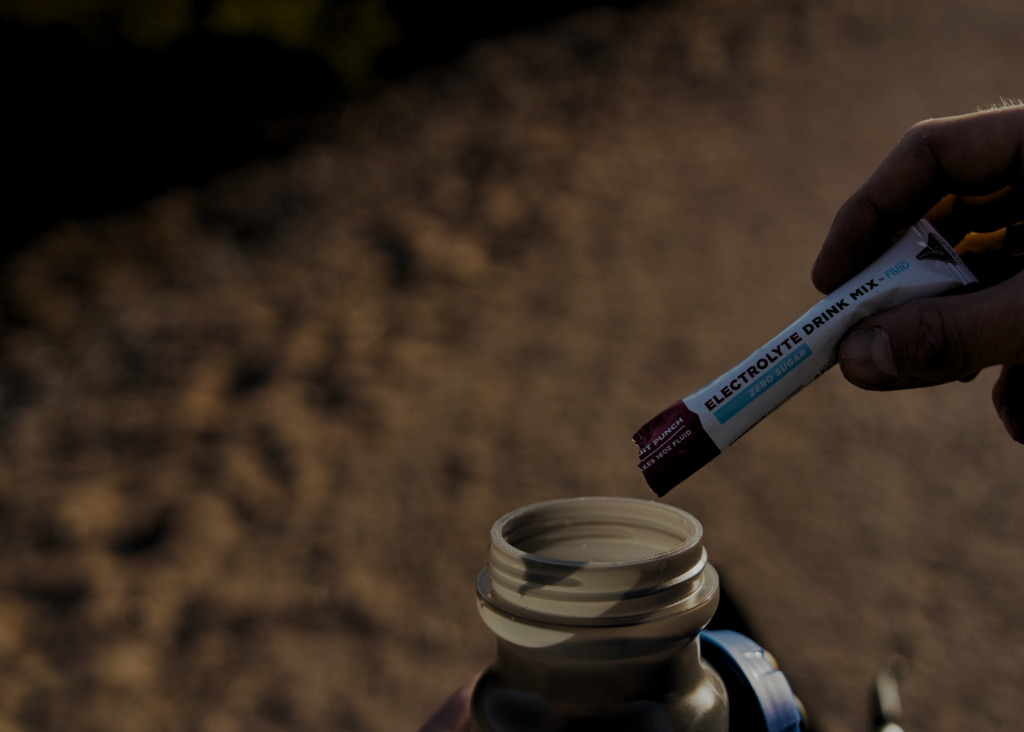
With a heat index of 80 degrees or higher, begin consuming 1 packet, per person, per day, as a preventative tool against dehydration. The flavor will entire firefighters to consume more water and the mineral content will top off electrolytes prior to any incident. For a chart of Heat Index Table of values, see: https://en.wikipedia.org/wiki/Heat_index#Table_of_values.
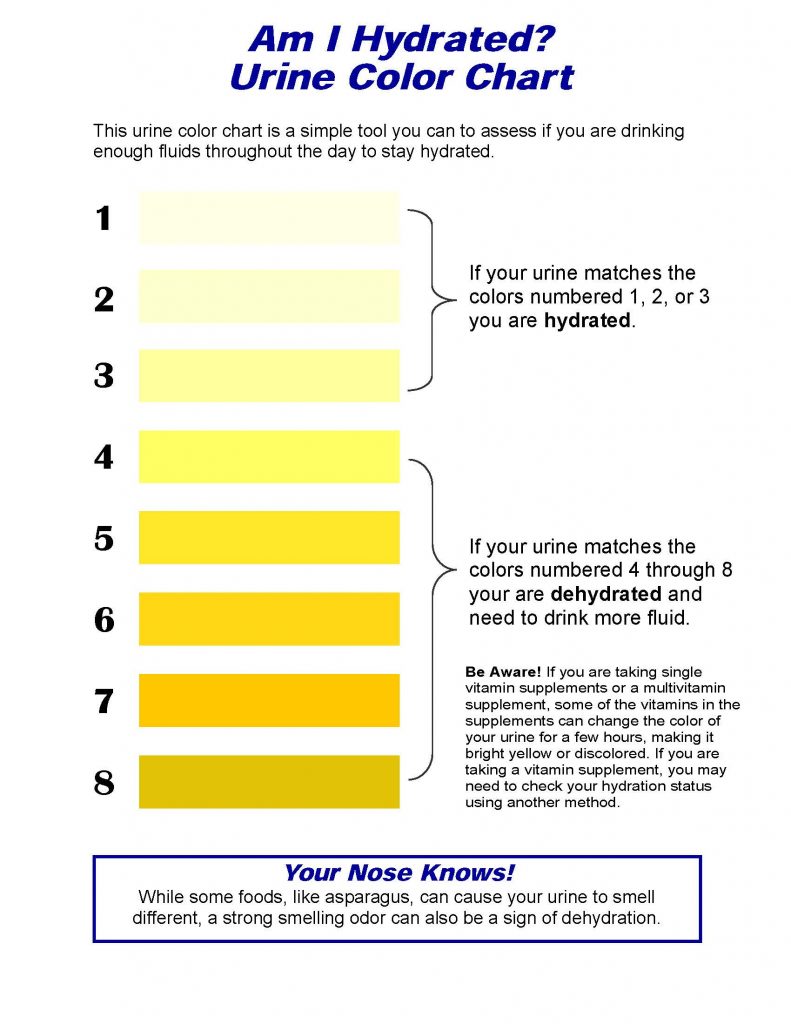
For each hour of heat stress in a heat index of 90 degrees or greater, consume an additional packet of Fluid Tactical per hour minimum, plus adequate water, until total body weight and body water are restored to resting levels. Urine color should match colors 1-3 on a standardized urine chart (see below). All firefighters should know their resting body weight in a hydrated status.
With a range of ways to flavor your water and add electrolytes, there’s no excuse for dehydration on the fire ground. Take care of yourself, take care of your team, and hydrate up to do your best work!